21 EQ Resources for Emotional Wellbeing for COVID
In the storms of volatility fueled by COVID-19 news, both real and sensational, how do we maintain equilibrium? Collected resources on emotional intelligence to help.


In the storms of volatility fueled by COVID-19 news, both real and sensational, how do we maintain equilibrium? Collected resources on emotional intelligence to help.

Looking at the neuroscience of stress and anxiety offers practical strategies for us to “cook up” more happiness.

Goals, purpose and meaning are often used interchangeably, but there are key differences between these concepts. Understanding how they differ can help us create alignment between what we do, why, and the impact we want to have.
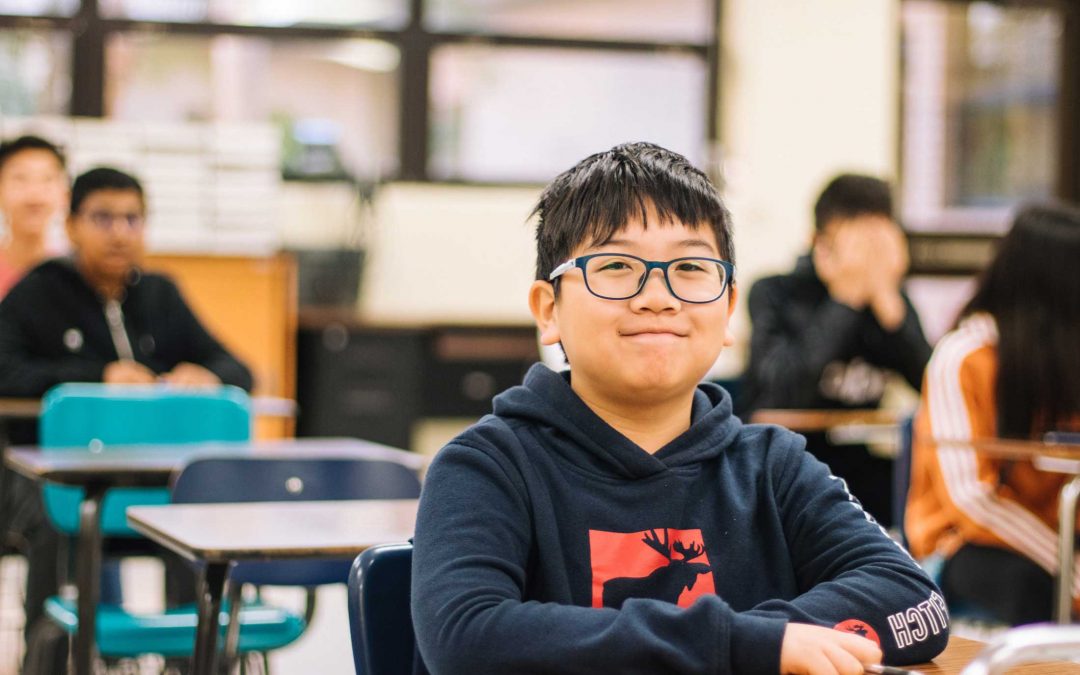
Educators and parents are concerned about children and youth becoming cynical about making the world a better place. They seem to be losing hope. Dr. Maurice Elias offers three strategies to change that.

Social emotional learning is essential for academic and life success. Here are 5 quick, easy check-in activities to bring SEL to life in your classroom.

Get practical tips and activities to teach social emotional learning virtually.
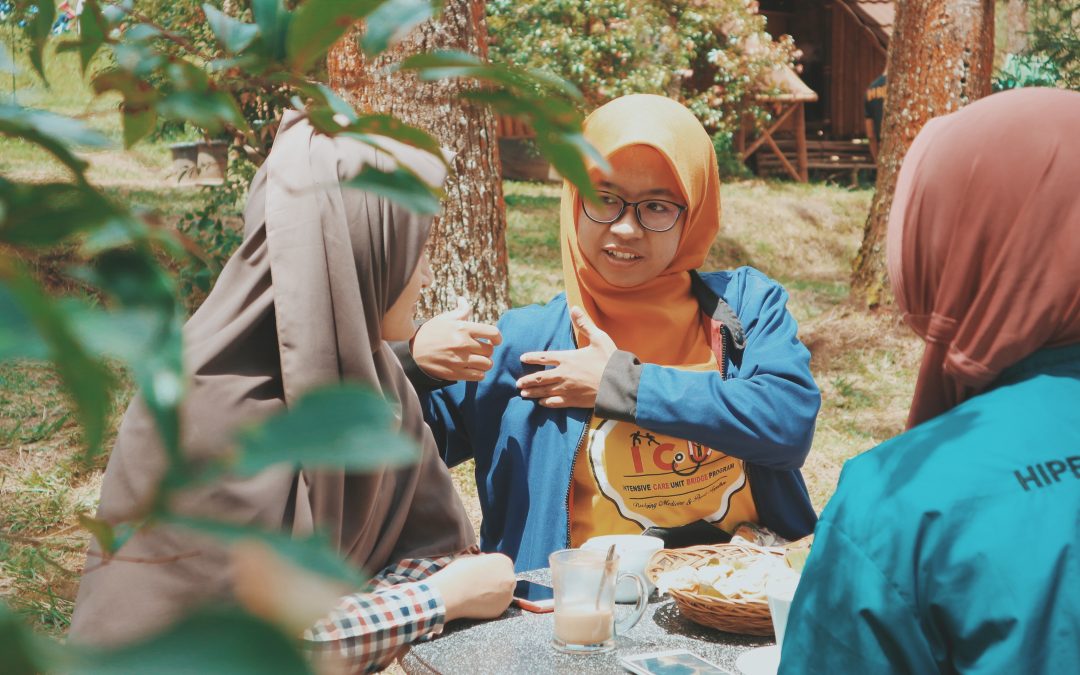
Learn the key difference of empathy vs. sympathy, including the most common sympathy traps. Plus tips to put empathy into action!

Purpose is essential for thriving, but many people go about it the wrong way. Here are 3 tips to help clients to stop looking for purpose, and start making it.

Learn how naming emotions (“affect labeling”) lowers stress, boosts decision-making, and builds confidence—plus simple practices you can use today. Backed by neuroscience and EQ research.

While we cannot control the pandemic and all that it brings, we can control who we are and what we want to stand for in the face of it.
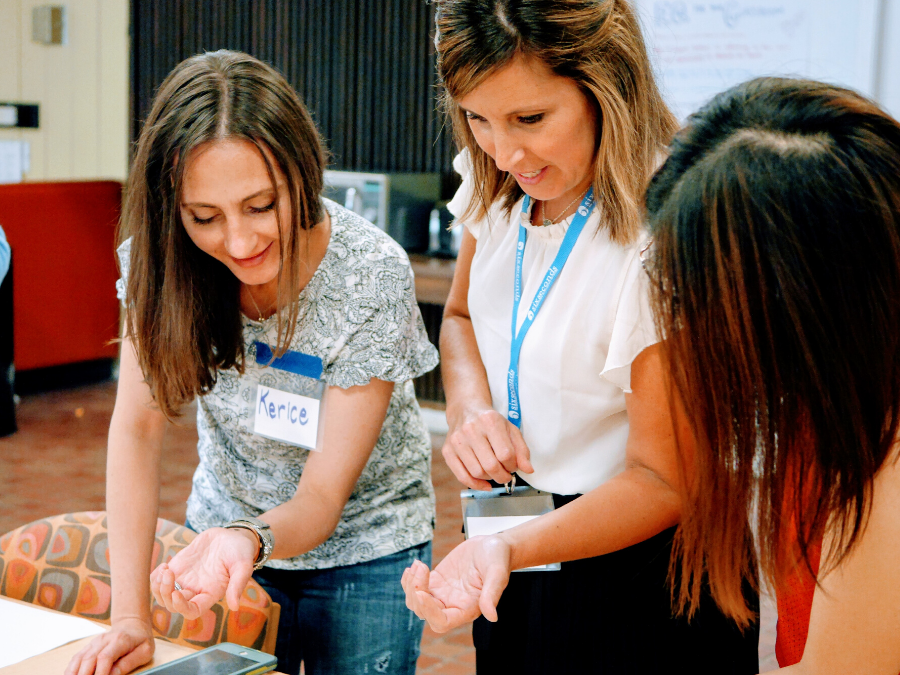
Biodots are a low-cost, easy way to help your clients become more self-aware – here’s how to use them.

In the chaos of contemporary life, how do we maintain connection to self and others? Two of the world’s preeminent experts on emotional intelligence, Daniel Goleman and Joshua Freedman, discuss in an engaging Q&A.

Our current reality is challenging. What do we do when we can’t change it? Here’s how we can make it the best reality possible with these six practical tips you can do today.
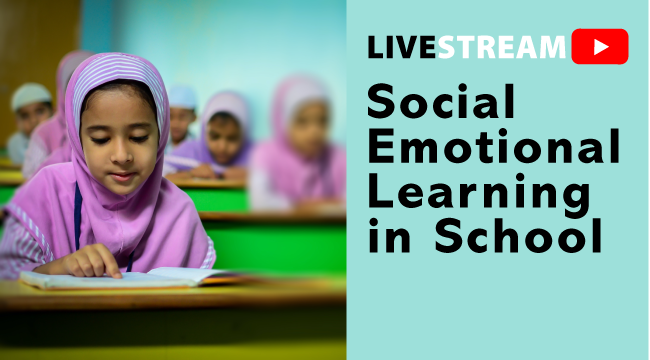
Education is stressed. Teachers, administrators, kids, parents are struggling – so why should we focus on social emotional learning (SEL) at a time like this? And for remote or hybrid teaching, is it even possible?
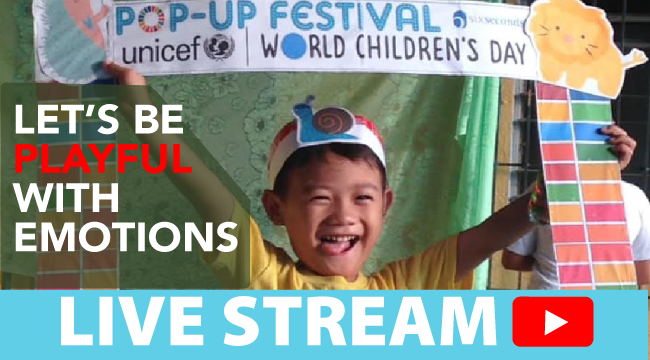
It’s time for POP-UP Festival in partnership with UNICEF World Children’s Day! While we’ll need to adapt to the challenges of 2020, THIS is the moment for this project: Children around the globe are struggling with loneliness and uncertainty. We can help.

Can we measure and increase Employee Engagement in an economic challenge? What’s the benefit? Case study at Komatsu plant using “Vital Signs” and “Emotional Intelligence”: engagement increased from 33 to 70%. At the same time, plant performance increased by 9.4%.

Can emotions be part of organizational strategy? Here are 5 expert insights and the latest research on improving performance by being smart with feelings, aka, emotional intelligence.

At a neurological level, how does the brain actually learn, and what’s the role of emotion? What’s the implication for education and training?
You know emotional intelligence is useful… but HOW do you actually use it on a daily basis?

Why do feelings matter to leaders? Interview with Daniel Goleman, author of Emotional Intelligence and Social Intelligence, on a new leadership imperative for optimizing human performance and the research that makes attention to feelings a bottom-line priority.

Want less fighting at home? Three tips every parent can use to forge compromise. Bonus Poster for your fridge. Build trusting relationships with your children and even at work with Collaborative Parenting strategies.

We face massive challenges in our world, and in our daily lives. The neuroscience of stress makes these harder to deal with — but also offers a way forward.
What’s the importance of honoring the complexity and fullness of emotions especially experienced by BIPOC in the wake of racial bias?

Fear is the key to change. Here’s how to understand it, transform it — or more forward anyway.
Ideally, coaching is a transformational process, building internal capacity to create change in the world. Coaching is more than “conversations,” and different than “mentoring” and “training” because it’s a partnership for growth. In this vision, coaching manifests a new form of “power with,” and couldn’t that help us build a better world?