Time to redefine “engagement”?
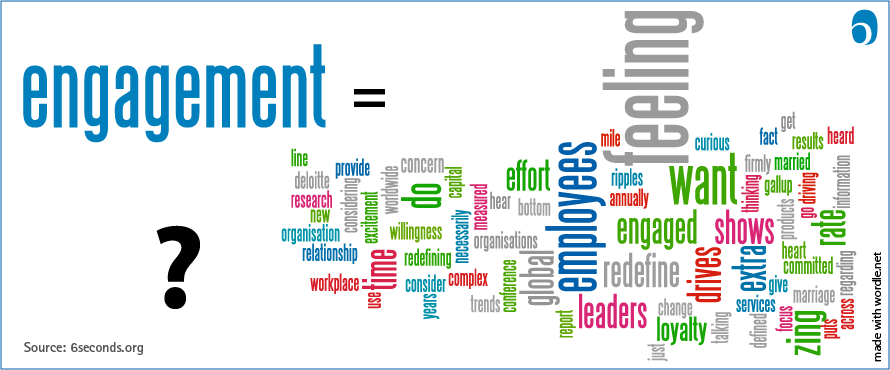
What does ’employee engagement’ really mean? And is that enough to drive the results we need?


What does ’employee engagement’ really mean? And is that enough to drive the results we need?

What happens when new managers receive emotional intelligence training? The six-month program is delivering significant improvements in EQ skills — tied to dramatic increases in influence, quality of life, and decision making.
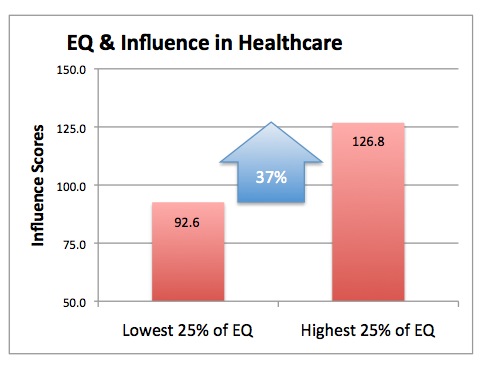
Collaboration has emerged as a critical “doorway” to positive outcomes in healthcare, but without emotional intelligence it’s nearly impossible to change from the old model — a little neuroscience shows why.
How do you increase happiness, and is that a useful goal? What do we mean by happiness anyway? Using emotional intelligence we can go from ‘happy’ to ‘thriving.’

Research shows social emotional learning improves classroom performance. How does it work & what does brain research show about emotion in learning?

How to effectively resolve conflict? “Emotional intelligence is essential,” says Daniel Shapiro, Harvard International Negotiation Program.
Recently a student told me that she dreads the “SEL” class in her school because, “the teacher is so fake.” There are three key traps that lead to this kind of failure in social emotional learning, and some simple-but-challenging solutions to find a balance in inquiry, planning, and power.

Is there a way to be unconditionally loving, and also to hold high expectations? As parents, can we love our kids “as they are” AND help them be better?

It may seem like a paradox, but people who focus on giving feel and do better… and so do businesses.

A sociogram is a useful tool for educators who want objective data on a classroom’s social dynamics – here’s how they work.
The use of power is central to our interactions as leaders, coaches, parents, and change agents. To be more effective, emotional intelligence will help us understand and tune up our own use of power and the ways people react to that. There are dozens, maybe hundreds, of different forms of power. All of these “work” in some sense. If they generate certain desired there are “benefits.” At the same time, each produces unwanted side effects, called “costs.” What are some of the forms of power that you have, and that you exercise? What happens when you exercise these different forms of power? What price do you pay for each such use?

The neuroscience of empathy is fascinating and offers practical lessons for leadership and life. Our brains are wired for social connection through Mirror Neurons, which cause us to experience what we perceive.

To support highly technical leaders and teams to be more effective at collaboration, Shell sought out a customized emotional intelligence development program. Using a blended-learning approach, Six Seconds’ tailor-made program yields an 85% success rate when assessed an average of three years after the program.

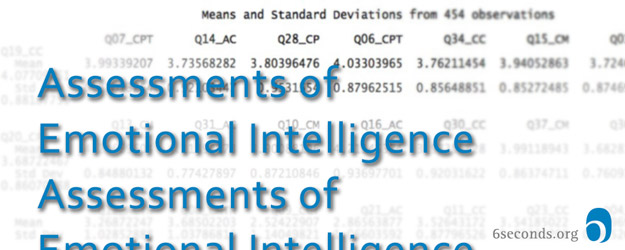
Which emotional intelligence test is best? It depends on your needs and goals; here is an objective-ish review of leading tools with links for more information.
In this speech, Six Seconds’ Chairman Karen McCown shares the definition, process, and purpose of teaching emotional intelligence. Karen founded the renown Nueva School in 1967 as a laboratory for integrating academic and emotional development for gifted children (it went on to win two Federal Blue Ribbon Awards for Excellence in Education).
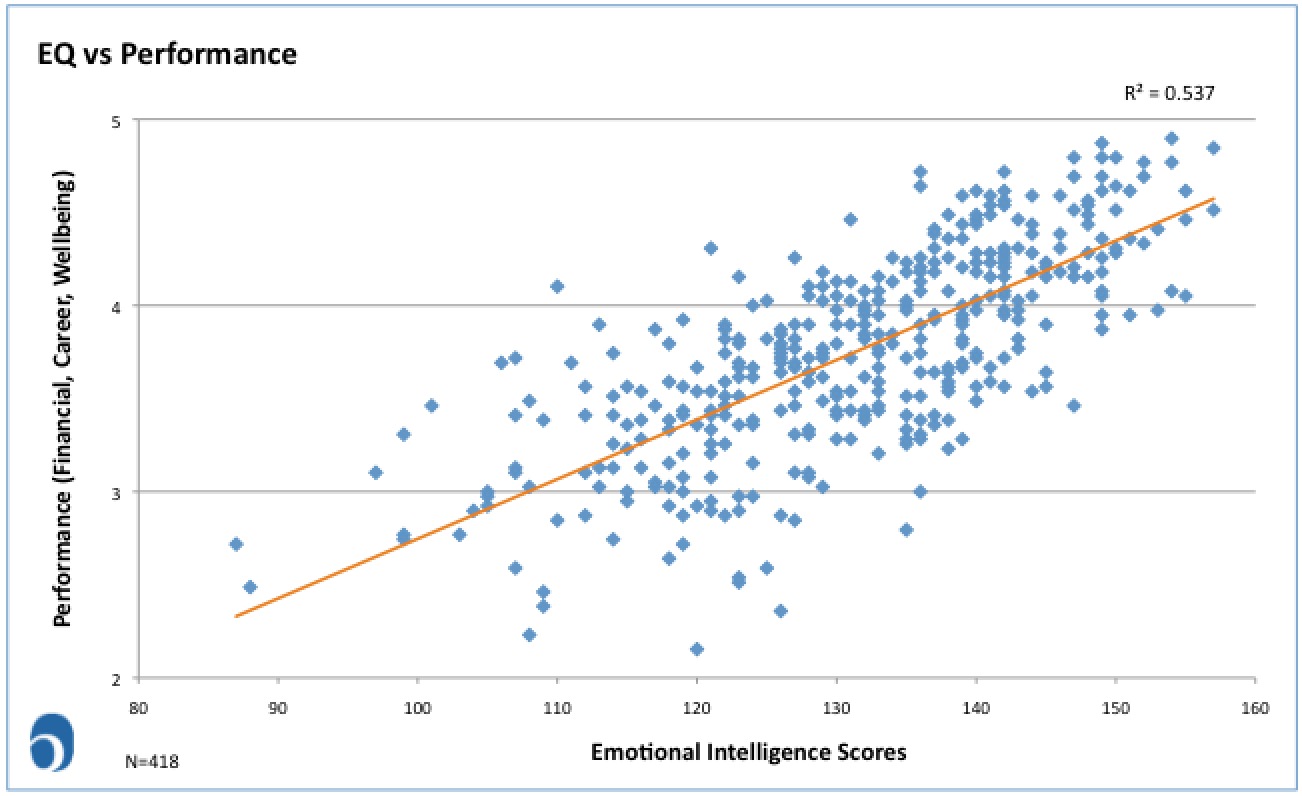
How important is emotional intelligence in a hard-driving business environment of the UAE? A study with leaders at Dubai Knowledge Village says: EQ is essential.