
How Much of the $1.8T Are You Losing? 4 Steps to Increase Engagement and Reduce Turnover with Emotional Intelligence
Stop wasting money and learn how to leverage emotional intelligence for better results. Here’s a 4-step plan to get started.


Stop wasting money and learn how to leverage emotional intelligence for better results. Here’s a 4-step plan to get started.

EQ Coaches value all emotions as resources that provide insight and energy. But that doesn’t mean we “make” clients talk about feelings. In fact, often words get in the way of understanding emotions.

As emotional intelligence coaches, should we “work harder” — or will be more effective following the ‘lazy coaching’ trick?

Learning is both an emotional and rational process. How do we blend the two? Here is a map teachers and trainers can use to bring head and heart together in learning.

Empathy is crucial to developing healthy relationships with yourself and others. These 5 questions can help you take your empathy to the next level.

Put emotional intelligence into action and be the leader that people want to follow.

When clients are ‘in the swirl’ and depleted, how do coaches reconnect optimism and purpose to reignite the spark of bigger vision?

Mentored employees are generally more productive, engaged, and satisfied with their jobs – and more likely to get promoted.

Global pilot program correlated with dramatic improvements in employee’s mental and physical health – and company’s bottom line results.

Parenting is hard. Here are 3 principles to infuse your parenting style with emotional intelligence and guide your decision making.

The Six Seconds EQ Model moves the CASEL competencies into action. Learn about both frameworks and how they complement each other.

What does ‘strong leadership’ mean today? It turns out, (the right kind of) empathy & coaching are at the heart of how leaders ACTUALLY create impact.

How do coaches effectively work with clients when ‘everything is fine’? 10 strengths-based EQ strategies.

Discover 7 amazing facts about emotions — from brain chemistry to emotional contagion — and learn science-based tools to use them wisely.

The neuroscience is fascinating, emotions are immediate biological signals, feelings come later, and moods build up over time.

Breaking research on joy as a driver of performance — what’s the implication for professional coaching?

Discover 87 ways to be kind and loving—plus the neuroscience of how kindness impacts your brain, body, and sense of purpose. Includes a free kindness activity kit.

The 10,000 Hour Rule: It’s a popular rule of thumb, but it isn’t based on solid science. Here are practical, research-backed tips on practice.

Wow! When coaching works, new possibilities flow, and clients feel an incredible sense of freedom and support. But even good coaches don’t always get that result, and usually it’s because they missed one of the 3 “must have” questions…

When people face emotional challenges, it’s… well… emotional. It’s easy to get overwhelmed by big feelings of fear & distress, and while sometimes psychological help is needed, most of the time some basic EQ coaching techniques make a big difference. Here’s how.

A 4-step guide for women to gain clarity and confidence with emotional intelligence.

Emotional intelligence assessments can be impactful and even transformational, but how do you know if a test is accurate and trustworthy?

Here’s why we make the boss, a colleague, a customer, spouses and lovers, and even our children into enemies — and a better way. It starts with our brains, and being addicted to the pleasure of righteousness.

Explore the 3 parts of empathy—thoughts, feelings, and actions—and learn how practicing all three strengthens connection and emotional intelligence.
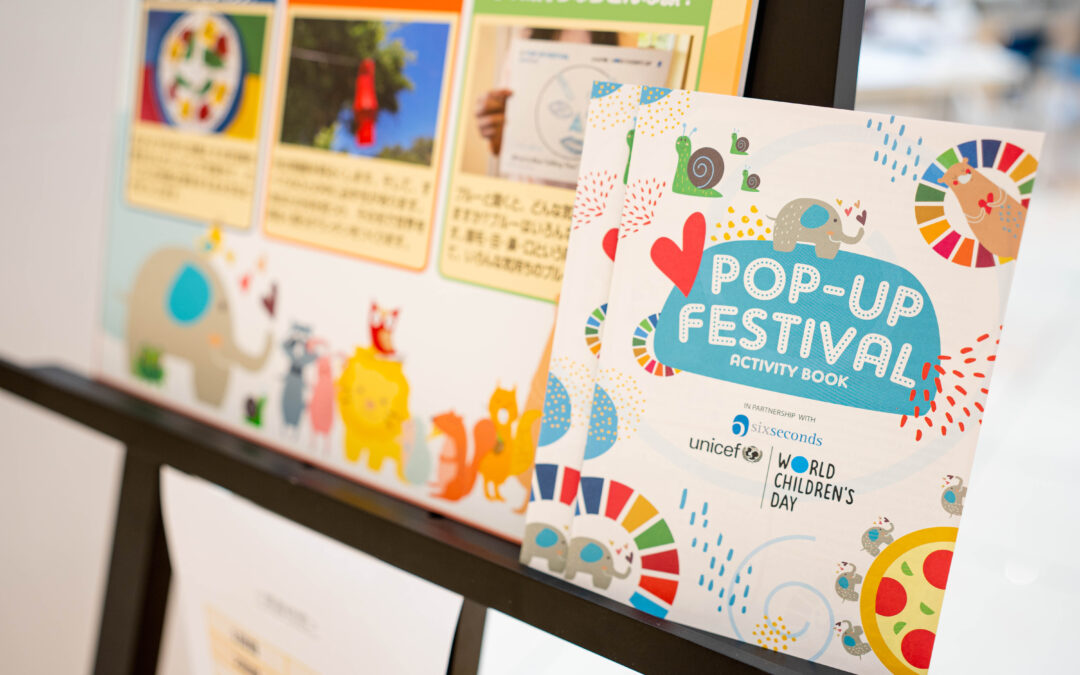
Over 400 children and parents enjoyed playing and learning about emotional intelligence through hands-on activities and family fun with POP-UP Festival at AEON mall in Japan.