
Want a Good Life? 3 Lessons from Harvard Grant Study
Discover how the 85‑year Harvard Study of Adult Development shows that strong relationships—not wealth or IQ—predict a longer, happier life.


Discover how the 85‑year Harvard Study of Adult Development shows that strong relationships—not wealth or IQ—predict a longer, happier life.

Burnout is caused by basic emotional needs going unmet, and the antidote is for leaders and employees to leverage emotional intelligence.

Want to “win” the argument? Negotiate conflict effectively by adding emotional intelligence in this simple 4-step process: Get REAL solutions!

Discover six research-backed ways emotional intelligence makes decision-making easier and more meaningful. Learn how EQ helps reduce decision fatigue, align choices with your values, and make the process more intentional—even when you’re under stress.

What makes motivation… motivating? Three powerful questions, a free worksheet, and powerful ways to strengthen energy from within (which we all need, especially when work/life feels challenging)

Discover how emotional intelligence is the missing link to achieving sustainability—personally, socially, and environmentally—in a world facing emotional recession and AI-driven burnout.

What are the links between emotional intelligence and leadership performance? New research shows 66% of the variation in scores on leadership outcomes are predicted by five key leadership drivers – and people with higher emotional intelligence are seven times as likely to earn high scores on these factors.

Gratitude is more than a warm feeling. It’s a practice that changes how we relate to the world. How can you tap into the power of gratitude?

How do you use emotional intelligence to fuel lasting motivation? The Motivation Iceberg is a simple, clear model for understanding how to motivate – even in WFH during a pandemic.

Feeling overwhelmed? Discover four emotional intelligence strategies—from managing spirals to joy-snacking—that can help you navigate stress and tough times with clarity, resilience, and care.

How can you control your emotions without shutting them down? The answer is Navigating Emotions. Discover a science-backed 3-step VET method to manage emotions with emotional intelligence, reduce reactivity, and build resilience. Based on neuroscience and the Adaptive Theory of Emotions.
Emotional intelligence is declining just when we need it most. Drawing from the the world’s largest EQ study, this article explores why and how to reverse the trend—with women leading the way toward emotionally intelligent leadership.
Discover how Emotional Intelligence and a trainer’s mindset can transform leadership, fostering growth, autonomy, and long-term success.

How can we use emotional intelligence to talk with children about trauma, fear, or difficult topics? It starts with noticing and naming emotions.

Discover how making emotional intelligence visible can inspire a more connected, compassionate world. From quiet moments of reflection to bold acts of connection, practicing EQ creates ripples of positive change.

Learn how to build optimism as a skill using a simple 3-bridge model. Backed by new research, this article shows why optimism is essential for resilience, innovation, and emotional wellbeing in today’s uncertain world.

Discover the 3 Cs of mentoring and how to build stronger, more effective mentoring relationships in today’s hybrid, fast-changing workplace.

If you ever feel stuck in urgency mode, emotional intelligence offers a way out — and a way back to what matters most.

It’s difficult enough that, as parents, we struggle to find answers to the everyday issues with our kids, such as how to get them to eat more veggies, do their chores, and be kind to their siblings. When it comes to trauma and fear, parents get a little nervous about doing it right.

Stress isn’t the enemy — it’s a signal. This article explores the neuroscience and emotional intelligence strategies that help you rethink your relationship with stress and discover how to turn it into a source of strength.

What if all our feelings had value? Many people see emotions as “good” or “bad” — which leaves us in a constant state of internal struggle against our own feelings. Here’s a framework to rethink feelings as valuable signals about what’s important.
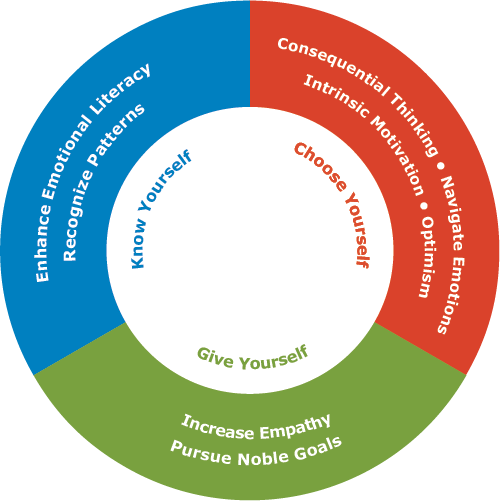
What is emotional intelligence and how do you practice it? Explore the Six Seconds Model of Emotional Intelligence to improve your life and relationships.

Are we looking for solutions in the right place? What if the key to success isn’t stricter control and efficiency, but more empathy and trust?

In a fast-paced world filled with distractions, true connection often feels rare. But by choosing to be fully present in our conversations, we can improve relationships, build trust, and become better versions of ourselves. Learn how deep listening, empathy, and emotional intelligence can help you create the meaningful connections you long for, both with others and within yourself.

Discover how trust is built, broken, and repaired—at work and in life. Explore key models and actionable strategies to strengthen trust and drive performance.