Jul 302011
 

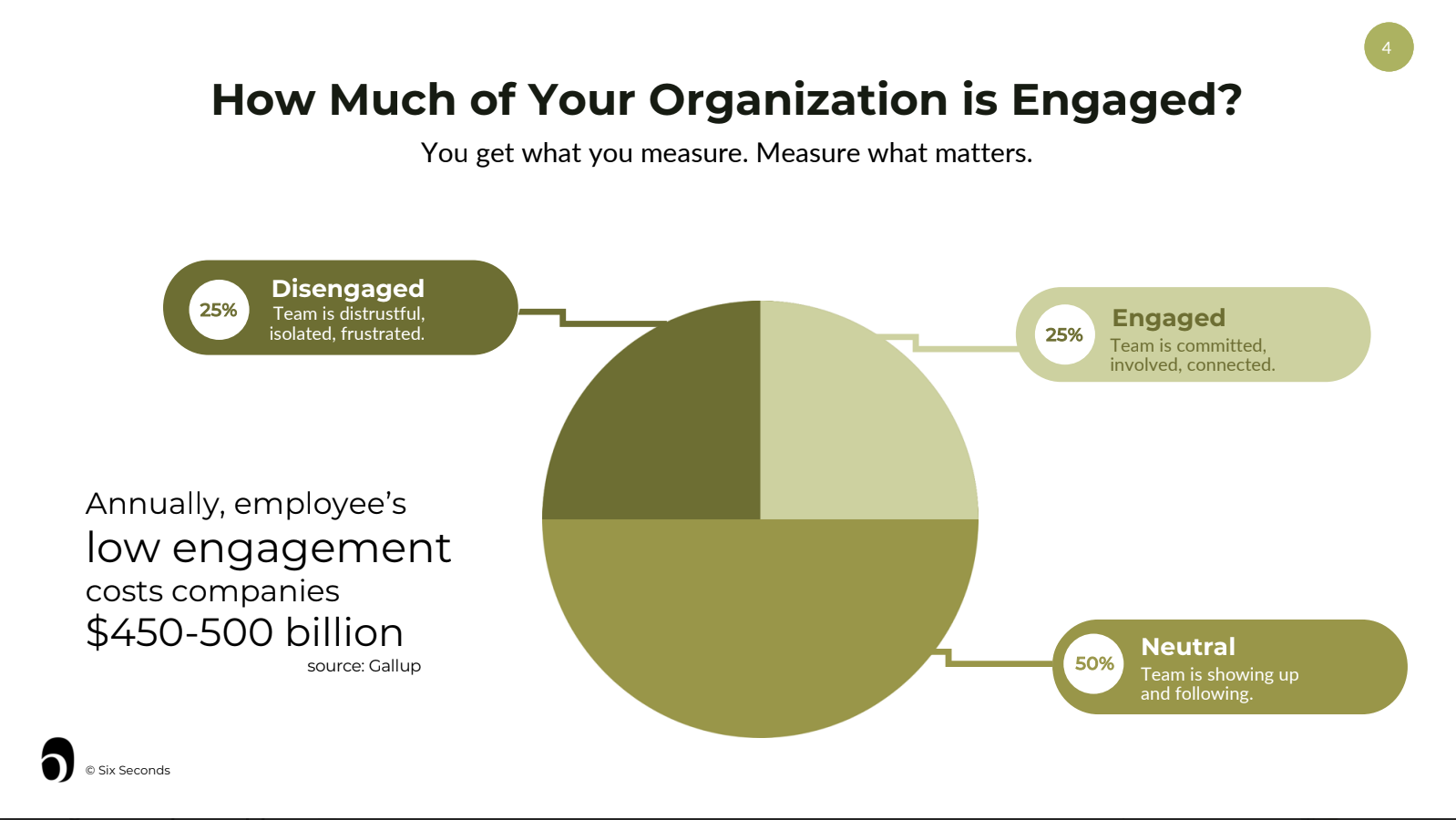
In the LinkedIn EQ Network group, we’ve been discussing the importance of team climate (here’s the thread), and we’ve surveyed 200 members of the group and visitors to our site about the topic.  Why?  As Joshua Freedman, our COO, wrote on the forum, “we’re curious to understand how you see this in your own workplace team? How much does climate matter?”  There were many valuable responses on the importance of climate, some excerpted below; one member, Celeste Blackman, put it this way: “Positive work environments are good for the brain…and good for the bottom-line.” Team climate is “the DNA of the organization” (Brian Garon).  Of the 200 survey respondents, 94% rate team climate as very important or essential.

So how positive are “typical” workplace teams?  Unfortunately, according to employees in our survey, companies are currently earning a “D” on climate with a score of 62%.

Further, there is a large gap between leaders and team members.  Leaders see climate as 21% more rosy than the team members:

Trust

In the discussion, the theme of trust surfaced over and over as a critical hallmark of an effective team.  “TRUST is the key” (Richard Cullinan). “Every successful team has been able to cultivate trust and confidence among its members” (Vanessa Roff).

Unfortunately, scores on trust reveal an even larger gap between leaders and team members, with the managers rating teams a full 40% higher on trust than the other team members:


Measuring and Improving Climate

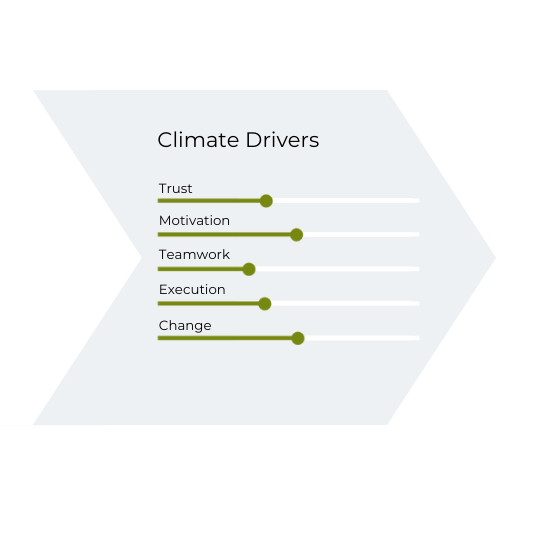
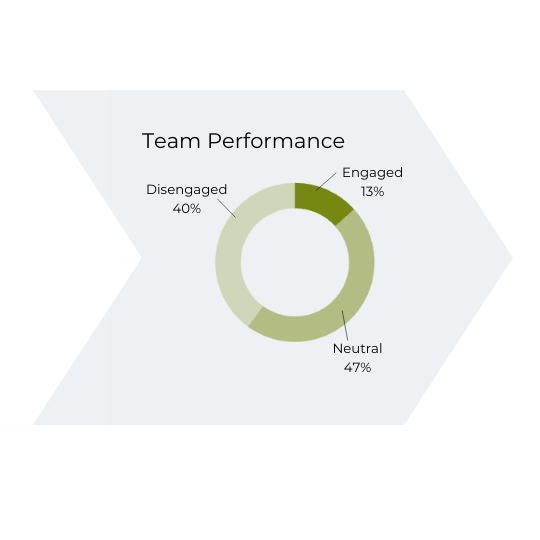
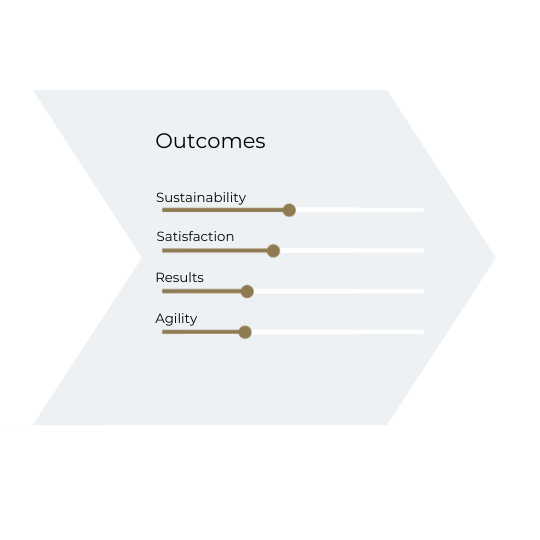
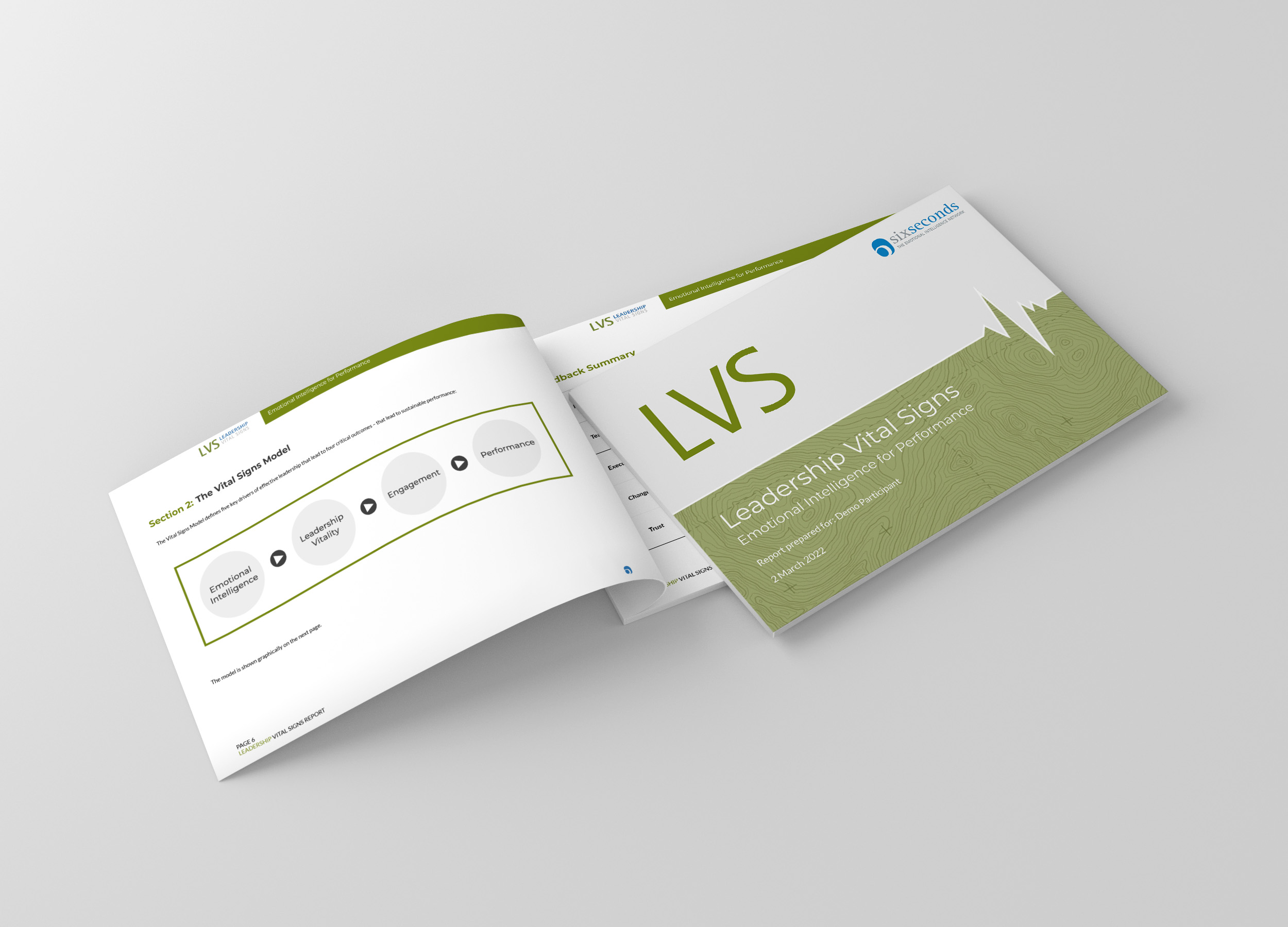
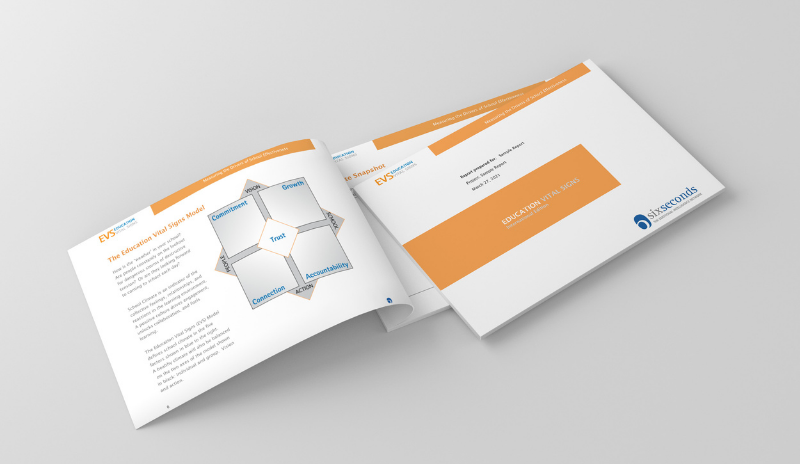
How can leadership foster these attributes?  72% liked the idea of a system of validated metrics, seeing the importance of keeping this essential data on the “dashboard.”  Six Seconds’ new “Vital Signs” toolkit shows how to build trust, increase adaptability to change, and secure improved organizational productivity.  The “Team Climate Survey” used the Vital Signs Model as a basis for the survey design — as described in this article, Vital Signs are the drivers of performance with trust at the fulcrum (shown to the right).

In the survey, we asked about perceptions of senior leaders’ commitment to climate.  “To what degree are senior leaders in your organization committed to creating a healthy climate in their teams?”

A full 40% of the variation in climate scores can be predicted by the answer to this question.  In other words, keeping senior leaders aware of the importance of team climate is likely to have, in itself, a major impact.  This graph shows the correlation between perceptions of this senior leader commitment and climate:

Perhaps one key reason that this type of measure is so important is the opportunity to present scientifically validated data to keep senior leaders tuned into the importance of the people dynamics of team climate.


Highs and Lows

Respondents felt strongest in motivation and teamwork, while weakest on change. Where do you and your organization stand on readiness for change?

The strongest area of perceived climate is Motivation/Commitment (about 4% above average) — the worst is Change/Adaptability (about 5% below average)

By Sector

In addition to comparing leaders and team members, the survey explored variations by sector.  This graph shows both the average climate score in each sector, and the perceived senior leader commitment:

Finance & Consulting have the best climate (about 10% above average) — sales has the worst (about 10% below average) followed by nonprofits (7% below average)


By Region

We also compared various regions:

India and Pakistan were 5% above average; North America was lowest at 3% below average


The Effect of Climate

Responses to this open-ended survey question reveal the importance of healthy workplace climate:  ”What effects do you see as a result of the current climate?”

THOSE WITH LOWEST CLIMATE SCORES SAID…

THOSE WITH HIGHEST CLIMATE SCORES SAID…

Lower performance that’s connected to the bottom line.

Backlog or, in some cases, complete shutdown of productivity

There is a huge disconnect.. a lot of individual talents and strengths, but do not have the ability to share and develop as a team. They focus on their individual needs, not the needs of the organization.

Organisational disaster

Distrust, judgments, fault finding, no recognition

An abject inability to move forward as a group.

Mistakes, frustration and anger.  Turnover!!!

Increase in motivation of team. Closer relationship and collaboration.

Supportive of each other and strength in difficult times.

Willing to share workload even when not your own and more capacity available because of that and enthusiasm.

High levels of collaboration and innovation

We make a lot of “touch downs” and are known as the team that gets the work done right.  

Highly motivated team

I never see any issues. the execution of task is excellent and also the cooradination is very good. i could see some innovative ideas also 


Final Words

While there were numerous differences found in the survey results, respondents agreed about one thing.  93.8% among “peers,” 94.2% for “leaders,” 96.5% among Europeans, 94.6% in North America…  across the board respondents are seeing team climate as extremely important for their wellbeing — and success.


If you would like to take the Team Climate Survey:  http://tinyurl.com/3buku97 

Join the discussion on the EQ Network Group on LinkedIn: http://lnkd.in/4QS6dP


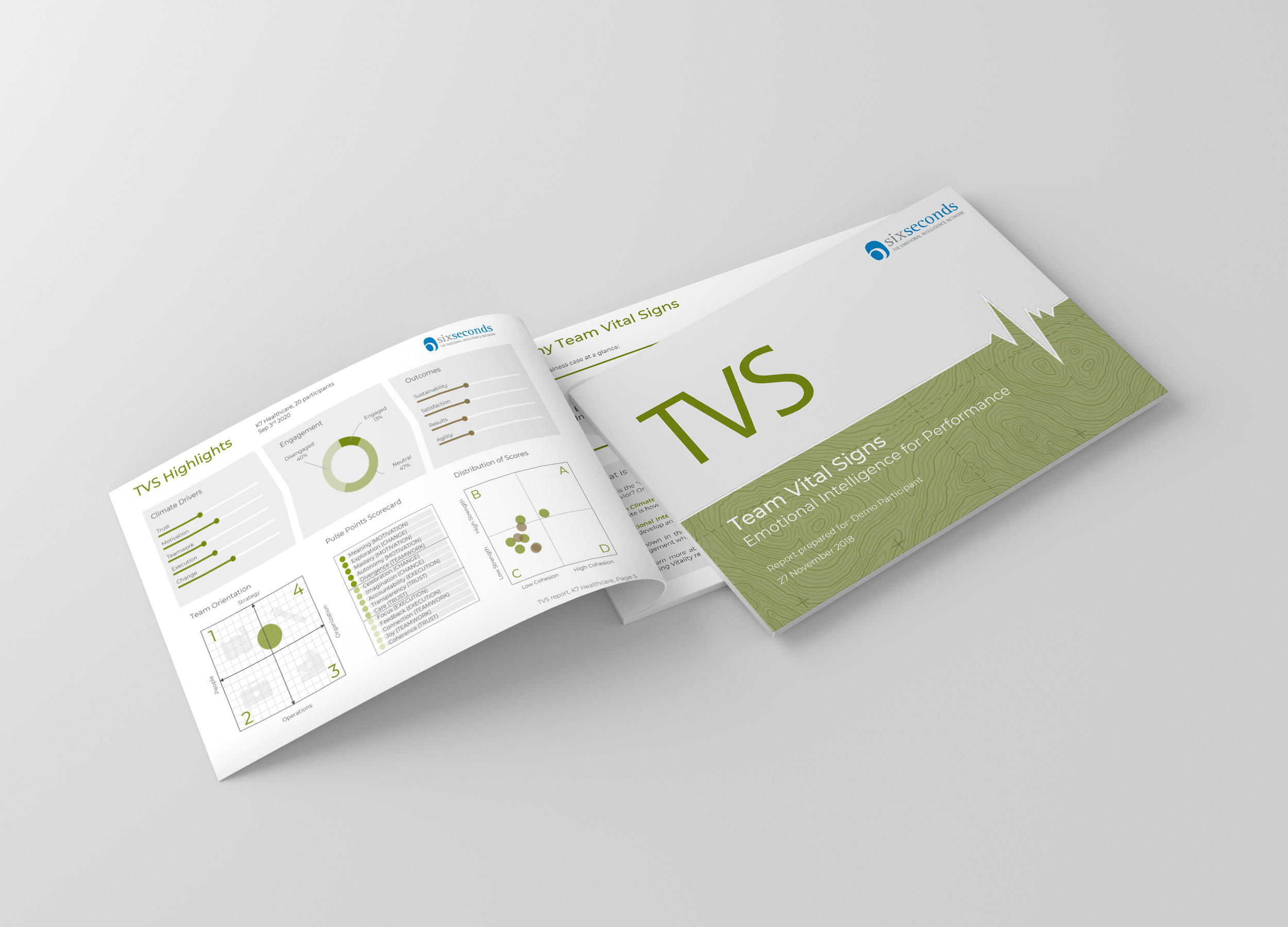
Note:  The Team Climate Survey is not a validated research measure.  For a statistically validated assessment of Team Climate, the Team Vital Signs Assessment is available from www.6seconds.org/tools/vs/.

Six Seconds

Six Seconds supports people to create positive change - everywhere... all the time. Founded in 1997, the organization now has offices in 11+ countries and certified practitioners in over 100, and is the world's preeminent resource for putting emotional intelligence into action.
See 131 more posts by Six Seconds

  2 Responses to “Team Climate Survey and LinkedIN Discussion”

  1. I work with management teams in developing companies across cultures and recognise the need for teams to understand their true nature. To create a high functioning team, not only do the individuals have to recognise their own desires, inclinations, attributes and talents (as well as what they do not like to do and what kinds of things decrease their energy) but also how they fit in as team members, which may not be quite the same thing – though the more aligned, the better.. Teams are made up of individual parts but as they say, become greater than the sum of their parts – but only if they are sufficiently self-aware.Team work necessitates understanding not only the functional roles of the team members but also the ways in which each member thrives in that role. Through self-awareness the team can mange itself in situations that may not play to its strengths or even re-design itself to create greater flexibility. ‘Trust’ is not a given – it comes with intellectual as well as emotional understanding of a person and a situation. I can offer frameworks to facilitate this kind of understanding.

  2. This is a fantastic resource for my dissertation. Do you have any data about cultural impact on international joint ventures? Or on success measures of international teams and what success is linked to?

Leave a Reply